
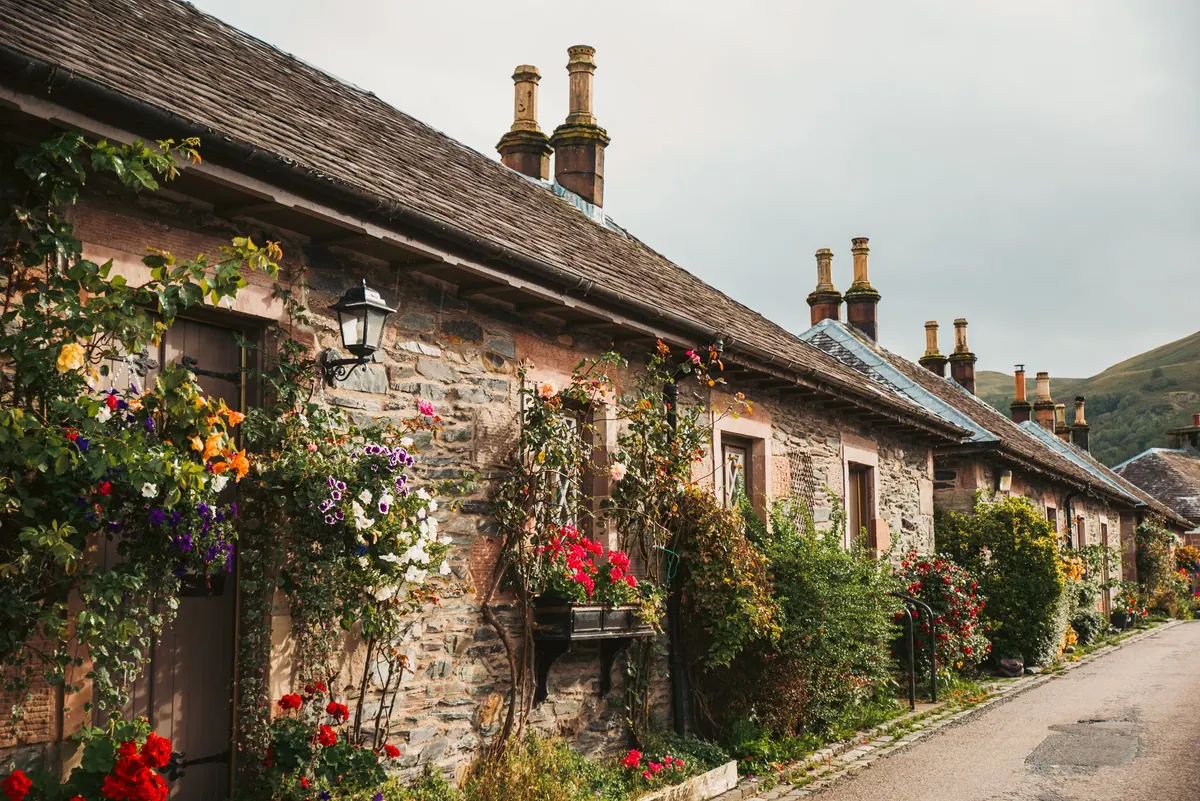
A cottage garden border is meant to look as though it happened by itself: soft, crowded, full of colour from May to October. In practice, the traditional version means staking, deadheading and dividing until your back aches. On a small plot you want the look without the labour. The answer is to plant densely with tough perennials and generous self-seeders, so the border fills itself and the weeds never get a look in. Here is a plan for a border roughly three metres long by a metre deep, in sun or light shade.
Start with the Soil and the Shape
Get the ground right and everything afterwards is easier. Clear perennial weeds first — ground elder, bindweed and creeping buttercup will run straight through a new border and undo a season's work. Dig them out by hand, roots and all. If the ground is badly infested, cover it for a full growing season before you plant anything.
Spread two or three barrowloads of garden compost or well-rotted manure over the whole area and fork it into the top 20cm. Cottage plants are not greedy; soil that is too rich gives you soft, floppy growth and fewer flowers. A border between 90cm and 1.2m deep is ideal. Narrower than that looks mean, and deeper than 1.2m is awkward to reach across when you need to weed or cut back.
Finish by cutting a crisp edge along the front with a half-moon spade. It takes ten minutes and does more for a small garden than almost anything else you can do.
Choose Plants That Repeat and Self-Sow
Hardy perennials that flower for months, plus annuals that scatter their own seed, will keep the border going with very little input. Look for three qualities:
- A long flowering season. Geranium 'Rozanne' flowers from June into October. Salvia nemorosa 'Caradonna', Nepeta 'Six Hills Giant' and Achillea 'Moonshine' are just as generous, and all cope with a dry spell once established.
- Willingness to set seed. Foxgloves, aquilegias, Hesperis matronalis (sweet rocket), nigella, calendula and Welsh poppies sow themselves into gaps. You pull out the ones you don't want; the rest are free plants.
- Structure that holds through winter. A couple of small shrubs — rosemary, skimmia, Pittosporum tenuifolium 'Tom Thumb' — plus seedheads left standing on echinacea, sedum and eryngium, keep the border from looking bare in January.
Grasses earn their place too. A few clumps of Stipa tenuissima or Deschampsia cespitosa move in the wind and knit the planting together.
A Planting Plan for a Three-Metre Border
Treat this as a rough template and swap plants for ones you like in the same size and habit. Buy in threes or fives where you can — repetition is what makes a border look designed rather than random.
- Back row. Space two shrubs or tall perennials about 1.2m apart: a rosemary, a pittosporum, or a stand of Verbena bonariensis if you want something airy. Between them, plant three foxgloves or three clumps of a tall aster.
- Middle row. This is the engine room. Plant three each of Geranium 'Rozanne', Salvia 'Caradonna' and Nepeta 'Six Hills Giant', roughly 45cm apart, staggered so they don't sit in straight lines.
- Front edge. Lower, spreading plants: three Alchemilla mollis, three Stachys byzantina, and a low mound of thyme or Geranium 'Cambridge' at the very corner. They soften the edge and hide the soil.
- Gaps and seeds. Scatter nigella, calendula and poppy seed over the bare patches between the perennials. They will fill the space in the first summer while the perennials are still small.
In shade, replace the sun-lovers with brunnera, epimedium, Geranium macrorrhizum and hellebores, which flower early and then look after themselves.
Plant Densely and Mulch Straight Away
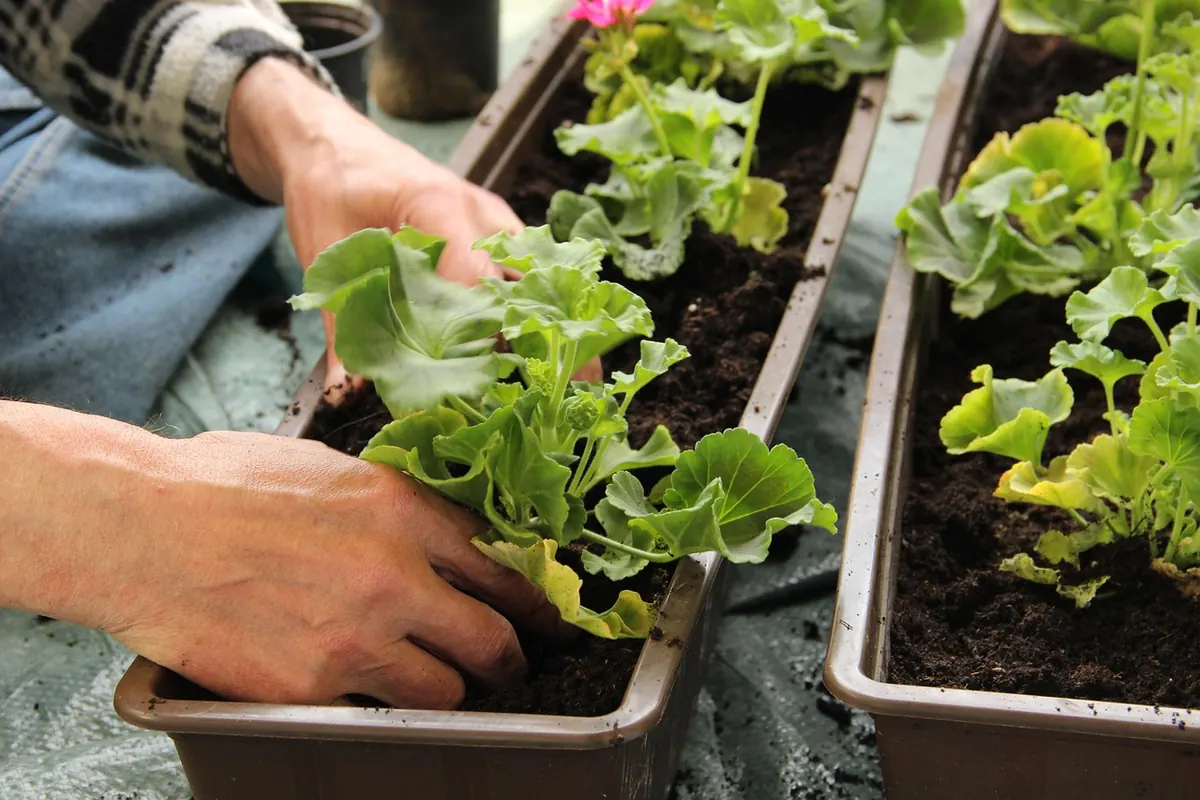
Plant in spring or early autumn, when the soil is warm and damp. Water each pot thoroughly an hour beforehand, tease out any circling roots, and set the plant at the same depth it was in its pot — deeper and many perennials will sulk.
Ignore the spacing on the label. Cottage planting works because it is crowded: aim for roughly two-thirds of the recommended distance, then let the plants sort it out. Bare soil is a weed seedbed, so cover it. A 5cm layer of bark chip or composted green waste across the whole border, kept clear of stems, will cut weeding to almost nothing and hold moisture through a dry July.
Water everything in well and keep watering new plants through their first summer. After that, most of the plants listed above manage on rainfall alone.
The Only Five Jobs That Really Matter
Low maintenance does not mean no maintenance. It means a handful of jobs done at the right moment, rather than a weekend lost every month.
- Cut back the early perennials in late May. Shearing nepeta, salvia and hardy geraniums by half delays flowering slightly and gives you shorter, bushier plants that need far less staking.
- Deadhead once a fortnight. A quick walk round with secateurs keeps repeat flowerers going. Leave anything you want to set seed.
- Stake only what needs it. Push twiggy pea sticks or brushwood over tall plants in April and let them grow through it. It looks natural and takes minutes.
- Leave seedheads and stems standing until late February. The border keeps its shape, birds get the seeds, and you have one cutting-back session instead of several.
- Mulch again each spring, and lift and divide anything that has stopped flowering well — usually every three or four years.
Let It Sow Itself
The first summer will look a little thin in places. Resist the urge to fill every gap with something new. By the second year the self-seeders will have found their own spots, the perennials will have knitted together, and the only real work will be a spring mulch and one tidy-up at the end of winter. That is the useful thing about a cottage border: it improves as it becomes less controlled. Keep the weeds out while the plants get going, and it will look after itself from then on.
Photo: Zoe Jackson / Pexels