
October is the gardener's turning point. The light softens, the air sharpens, and the first frost is rarely far away. This is the month to tuck your garden in before winter, not with a frantic rush but with a series of small, deliberate jobs that pay off in spring. A little work now protects pots from cracking, shrubs from dieback, and tools from rust. Work through these ten tasks at your own pace, and you'll head into winter knowing the garden is in good hands.
Protect Pots and Tender Plants
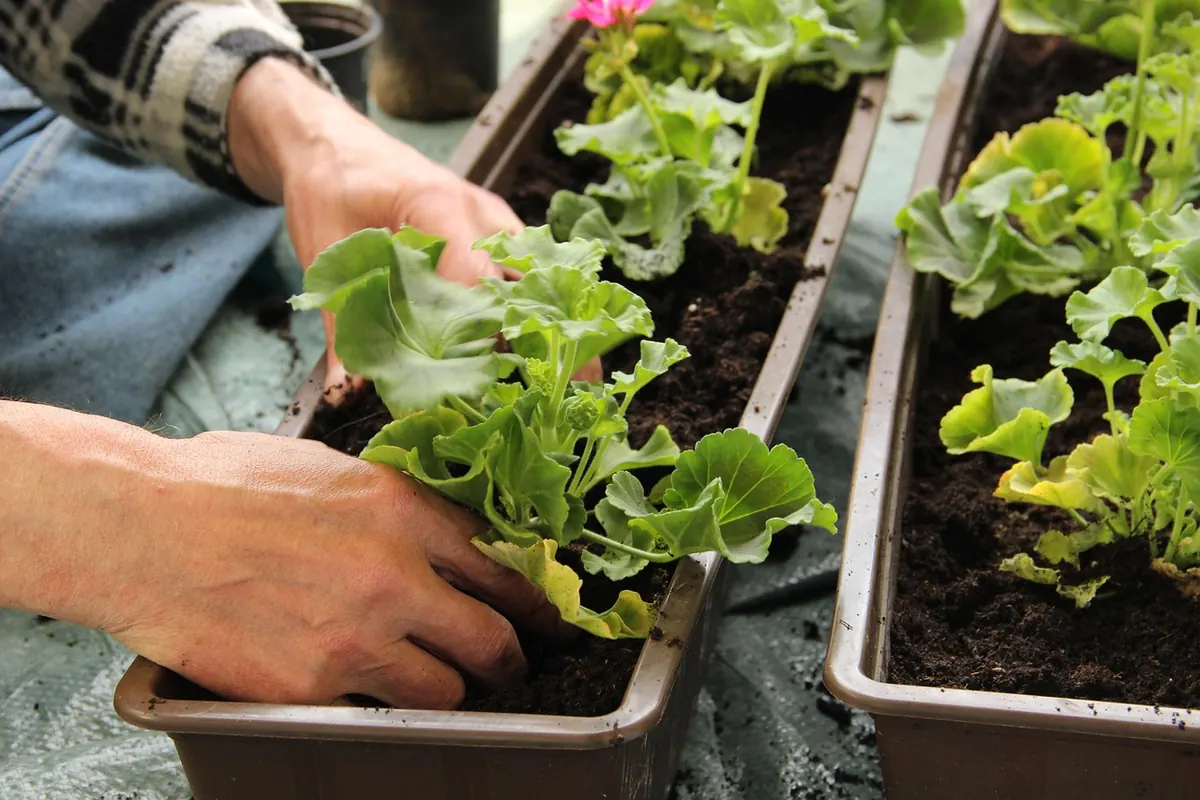
Pots are vulnerable. Terracotta and glazed containers can crack when wet compost freezes and expands. If you can, move tender plants like pelargoniums, fuchsias and citrus indoors to a bright, frost-free spot. Before they come in, check for pests and remove dead leaves.
For pots that must stay outside, wrap them in bubble wrap or hessian, and raise them onto pot feet or bricks. This stops water pooling around the base and gives drainage space. Group pots together against a house wall for shelter, and consider a cloche or horticultural fleece for extra protection on cold nights. Even a layer of mulch on top of the compost helps insulate roots.
If you have a greenhouse, insulate it with bubble wrap and check that vents close properly. A paraffin heater or extra fleece can make all the difference on the coldest nights.
What to move and what to leave
- Move: tender perennials, citrus, olives and small tree ferns.
- Leave but protect: bay trees, hardy fuchsias and lavender in pots.
Prune with Purpose
October pruning is not about cutting everything back. It's about removing what's dead, damaged or diseased, and shaping plants without triggering soft new growth that frost will kill. Use clean, sharp secateurs. Cut dead wood back to a healthy bud or branch collar. Remove any crossing branches that rub.
Avoid pruning spring-flowering shrubs like forsythia, lilac and ribes now, or you'll cut off next year's flowers. Wait until after they bloom. For perennials, cut back faded stems of herbaceous plants like phlox and helenium to ground level, but leave attractive seed heads on sedum, echinacea and ornamental grasses for winter structure and bird food.
Roses can be lightly trimmed to remove long, whippy stems that would rock in winter winds, but save hard pruning for late winter.
Mulch Beds and Feed the Soil
A good mulch in October is a gift to your soil. Spread a 5–8 cm layer of well-rotted manure, compost or leaf mould over borders, but keep it a few centimetres away from stems and trunks to prevent rot. Mulch insulates roots, suppresses winter weeds, and slowly feeds the soil as worms pull it down.
If you garden on clay, this is especially valuable. For sandy soils, mulch helps hold moisture. Don't dig it in; just let it sit. Never mulch over dry soil; water thoroughly first if the ground is parched, as a dry mulch can actually repel water. Avoid high-nitrogen fertilisers in autumn, as they encourage soft growth that frost will damage. A slow-release or potassium-rich feed for roots is a better choice if your soil is poor.
Clean and Store Your Tools
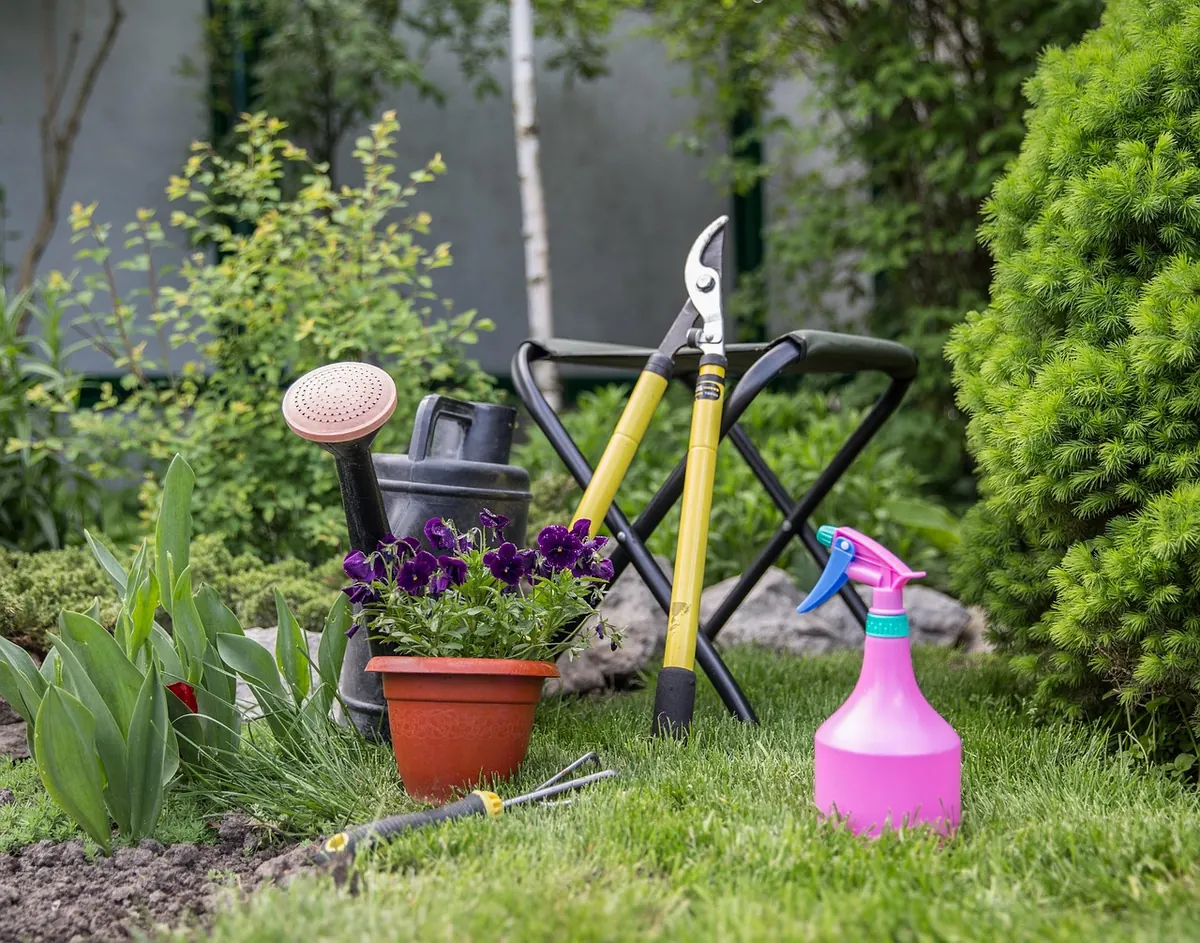
Dirty tools spread disease and rust. Before you put them away for winter, give them a proper clean. Use a wire brush or sandpaper to remove dried soil and rust. Sharpen blades with a file or sharpening stone. Wipe metal parts with an oiled rag. Wooden handles can be sanded lightly and treated with linseed oil.
Wipe secateurs with methylated spirits between plants if you've been cutting diseased material, to avoid spreading problems. Store tools in a dry place, ideally hanging up. Drain hoses and store them coiled. Empty watering cans. Clean out seed trays and pots with hot soapy water, then rinse.
Tidy Lawns, Leaves and Water
Give the lawn a last cut on a dry day, setting the mower blades slightly higher than in summer. If you have heavy clay, aerate with a fork to improve drainage. Rake off leaves from grass; a thick layer will smother it. Add leaves to a leaf mould bin or bags with holes.
Clear gutters and drains of leaves. If you have a pond, remove netting after leaves fall, and place a log or ramp for animals to climb out. Empty saucers under pots. Reduce watering indoor plants as growth slows.
Look After Wildlife
A wildlife-friendly garden is a healthy garden. Leave seed heads and hollow stems for insects to shelter. Put out bird feeders with high-fat food like suet balls, and keep a shallow dish of water for birds to drink and bathe. Check that any netting or fleece is secure so birds don't get tangled.
Your October Checklist
Here are the ten tasks in brief. Tick them off as you go.
- Move tender plants indoors or into a frost-free greenhouse.
- Raise pots onto feet and wrap them in bubble wrap or hessian.
- Prune only dead, damaged or diseased wood on shrubs and trees.
- Leave spring-flowering shrubs until after they bloom.
- Cut back faded perennials, but leave seed heads for wildlife.
- Mulch beds with 5–8 cm of compost or well-rotted manure.
- Clean, sharpen and oil tools before storing them dry.
- Give the lawn a final cut and clear fallen leaves.
- Check drainage, empty saucers and clear gutters.
- Feed the birds and leave a corner of the garden untidy for wildlife.
Work through what you can. A garden that's tucked in now will reward you with healthier soil, stronger plants, and fewer problems when spring arrives.
Photo: Mariakray / Pixabay